Azure DevOpsFoundation22 submodules

Azure DevOps Organizations and Boards

Structure Azure DevOps organizations, projects, teams, permissions, connections, agents, and planning boards so delivery work remains visible, governed, and traceable.

From concept to production evidence

Align organization and project boundaries with ownership, use teams and area paths for delivery views, decompose outcomes into linked work items, and connect code, builds, tests, and releases back to planned work.

Learning outcomes

  • Configure organization, project, team, and security boundaries
  • Create service connections and agent pools
  • Model epics through tasks and bugs
  • Plan with backlogs, sprints, and Kanban
  • Use queries, dashboards, and relationships for traceability

Azure DevOps Organizations and Boards end-to-end flow

Use this sequence as the operating backbone for every submodule note and hands-on exercise.

  1. 01
    Establish organizationAzure DevOps Organizations and Boards stage 1: establish organization with an auditable result before the next stage begins.
  2. 02
    Create teamsAzure DevOps Organizations and Boards stage 2: create teams with an auditable result before the next stage begins.
  3. 03
    Model backlogAzure DevOps Organizations and Boards stage 3: model backlog with an auditable result before the next stage begins.
  4. 04
    Plan sprint or flowAzure DevOps Organizations and Boards stage 4: plan sprint or flow with an auditable result before the next stage begins.
  5. 05
    Execute linked workAzure DevOps Organizations and Boards stage 5: execute linked work with an auditable result before the next stage begins.
  6. 06
    Report outcomesAzure DevOps Organizations and Boards stage 6: report outcomes with an auditable result before the next stage begins.

Architecture diagrams from Microsoft documentation

Use these diagrams beside the original Edukron notes and flows to compare the learning model with the official product and architecture view.

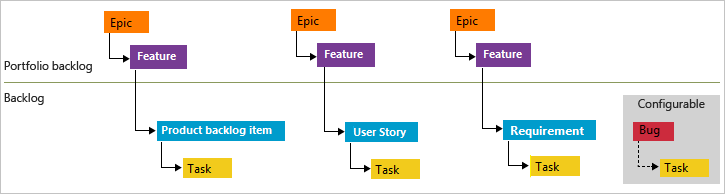
Official Microsoft diagram comparing Agile, Scrum, and CMMI work-item hierarchies in Azure Boards.

Azure Boards natural work-item hierarchy

Azure Boards uses portfolio, requirement, and task categories differently across Agile, Scrum, and CMMI processes; the hierarchy should support planning without deep same-category nesting.

Set up a traceable delivery project

  1. Create project and teams
  2. Configure security and service connections
  3. Build a linked work-item hierarchy
  4. Plan a sprint and Kanban flow
  5. Create queries and a delivery dashboard

22 full submodule notes

Read in order
01

Organizations

Organizations provides a concrete platform capability that must be configured, secured, validated, observed, and owned throughout its lifecycle within Azure DevOps Organizations and Boards. It is not an isolated definition: its value appears when it supports align organization and project boundaries with ownership, use teams and area paths for delivery views, decompose outcomes into linked work items, and connect code, builds, tests, and releases back to planned work.

Open full notes
02

Projects

Projects provides a concrete platform capability that must be configured, secured, validated, observed, and owned throughout its lifecycle within Azure DevOps Organizations and Boards. It is not an isolated definition: its value appears when it supports align organization and project boundaries with ownership, use teams and area paths for delivery views, decompose outcomes into linked work items, and connect code, builds, tests, and releases back to planned work.

Open full notes
03

Teams

Teams provides a concrete platform capability that must be configured, secured, validated, observed, and owned throughout its lifecycle within Azure DevOps Organizations and Boards. It is not an isolated definition: its value appears when it supports align organization and project boundaries with ownership, use teams and area paths for delivery views, decompose outcomes into linked work items, and connect code, builds, tests, and releases back to planned work.

Open full notes
04

Users

Users provides a concrete platform capability that must be configured, secured, validated, observed, and owned throughout its lifecycle within Azure DevOps Organizations and Boards. It is not an isolated definition: its value appears when it supports align organization and project boundaries with ownership, use teams and area paths for delivery views, decompose outcomes into linked work items, and connect code, builds, tests, and releases back to planned work.

Open full notes
05

Permissions

Permissions controls which actor may perform which action on which resource, under which conditions, with evidence that can be reviewed later within Azure DevOps Organizations and Boards. It is not an isolated definition: its value appears when it supports align organization and project boundaries with ownership, use teams and area paths for delivery views, decompose outcomes into linked work items, and connect code, builds, tests, and releases back to planned work.

Open full notes
06

Security Groups

Security Groups controls which actor may perform which action on which resource, under which conditions, with evidence that can be reviewed later within Azure DevOps Organizations and Boards. It is not an isolated definition: its value appears when it supports align organization and project boundaries with ownership, use teams and area paths for delivery views, decompose outcomes into linked work items, and connect code, builds, tests, and releases back to planned work.

Open full notes
07

Service Connections

Service Connections provides a concrete platform capability that must be configured, secured, validated, observed, and owned throughout its lifecycle within Azure DevOps Organizations and Boards. It is not an isolated definition: its value appears when it supports align organization and project boundaries with ownership, use teams and area paths for delivery views, decompose outcomes into linked work items, and connect code, builds, tests, and releases back to planned work.

Open full notes
08

Agent Pools

Agent Pools provides a concrete platform capability that must be configured, secured, validated, observed, and owned throughout its lifecycle within Azure DevOps Organizations and Boards. It is not an isolated definition: its value appears when it supports align organization and project boundaries with ownership, use teams and area paths for delivery views, decompose outcomes into linked work items, and connect code, builds, tests, and releases back to planned work.

Open full notes
09

Variable Groups

Variable Groups turns a manual or repeated decision into versioned, parameterized, testable, and observable execution within Azure DevOps Organizations and Boards. It is not an isolated definition: its value appears when it supports align organization and project boundaries with ownership, use teams and area paths for delivery views, decompose outcomes into linked work items, and connect code, builds, tests, and releases back to planned work.

Open full notes
10

Environments

Environments provides a concrete platform capability that must be configured, secured, validated, observed, and owned throughout its lifecycle within Azure DevOps Organizations and Boards. It is not an isolated definition: its value appears when it supports align organization and project boundaries with ownership, use teams and area paths for delivery views, decompose outcomes into linked work items, and connect code, builds, tests, and releases back to planned work.

Open full notes
11

Notifications

Notifications provides a concrete platform capability that must be configured, secured, validated, observed, and owned throughout its lifecycle within Azure DevOps Organizations and Boards. It is not an isolated definition: its value appears when it supports align organization and project boundaries with ownership, use teams and area paths for delivery views, decompose outcomes into linked work items, and connect code, builds, tests, and releases back to planned work.

Open full notes
12

Epics

Epics provides a concrete platform capability that must be configured, secured, validated, observed, and owned throughout its lifecycle within Azure DevOps Organizations and Boards. It is not an isolated definition: its value appears when it supports align organization and project boundaries with ownership, use teams and area paths for delivery views, decompose outcomes into linked work items, and connect code, builds, tests, and releases back to planned work.

Open full notes
13

Features

Features provides a concrete platform capability that must be configured, secured, validated, observed, and owned throughout its lifecycle within Azure DevOps Organizations and Boards. It is not an isolated definition: its value appears when it supports align organization and project boundaries with ownership, use teams and area paths for delivery views, decompose outcomes into linked work items, and connect code, builds, tests, and releases back to planned work.

Open full notes
14

User Stories

User Stories provides a concrete platform capability that must be configured, secured, validated, observed, and owned throughout its lifecycle within Azure DevOps Organizations and Boards. It is not an isolated definition: its value appears when it supports align organization and project boundaries with ownership, use teams and area paths for delivery views, decompose outcomes into linked work items, and connect code, builds, tests, and releases back to planned work.

Open full notes
15

Tasks

Tasks provides a concrete platform capability that must be configured, secured, validated, observed, and owned throughout its lifecycle within Azure DevOps Organizations and Boards. It is not an isolated definition: its value appears when it supports align organization and project boundaries with ownership, use teams and area paths for delivery views, decompose outcomes into linked work items, and connect code, builds, tests, and releases back to planned work.

Open full notes
16

Bugs

Bugs provides a concrete platform capability that must be configured, secured, validated, observed, and owned throughout its lifecycle within Azure DevOps Organizations and Boards. It is not an isolated definition: its value appears when it supports align organization and project boundaries with ownership, use teams and area paths for delivery views, decompose outcomes into linked work items, and connect code, builds, tests, and releases back to planned work.

Open full notes
17

Backlogs

Backlogs turns service behavior into evidence that supports detection, diagnosis, capacity decisions, and measurable reliability within Azure DevOps Organizations and Boards. It is not an isolated definition: its value appears when it supports align organization and project boundaries with ownership, use teams and area paths for delivery views, decompose outcomes into linked work items, and connect code, builds, tests, and releases back to planned work.

Open full notes
18

Sprints

Sprints provides a concrete platform capability that must be configured, secured, validated, observed, and owned throughout its lifecycle within Azure DevOps Organizations and Boards. It is not an isolated definition: its value appears when it supports align organization and project boundaries with ownership, use teams and area paths for delivery views, decompose outcomes into linked work items, and connect code, builds, tests, and releases back to planned work.

Open full notes
19

Kanban boards

Kanban boards provides a concrete platform capability that must be configured, secured, validated, observed, and owned throughout its lifecycle within Azure DevOps Organizations and Boards. It is not an isolated definition: its value appears when it supports align organization and project boundaries with ownership, use teams and area paths for delivery views, decompose outcomes into linked work items, and connect code, builds, tests, and releases back to planned work.

Open full notes
20

Queries

Queries provides a concrete platform capability that must be configured, secured, validated, observed, and owned throughout its lifecycle within Azure DevOps Organizations and Boards. It is not an isolated definition: its value appears when it supports align organization and project boundaries with ownership, use teams and area paths for delivery views, decompose outcomes into linked work items, and connect code, builds, tests, and releases back to planned work.

Open full notes
21

Dashboards

Dashboards turns service behavior into evidence that supports detection, diagnosis, capacity decisions, and measurable reliability within Azure DevOps Organizations and Boards. It is not an isolated definition: its value appears when it supports align organization and project boundaries with ownership, use teams and area paths for delivery views, decompose outcomes into linked work items, and connect code, builds, tests, and releases back to planned work.

Open full notes
22

Work-item relationships

Work-item relationships governs how a request is named, addressed, routed, filtered, transported, protected, and delivered to a healthy endpoint within Azure DevOps Organizations and Boards. It is not an isolated definition: its value appears when it supports align organization and project boundaries with ownership, use teams and area paths for delivery views, decompose outcomes into linked work items, and connect code, builds, tests, and releases back to planned work.

Open full notes